
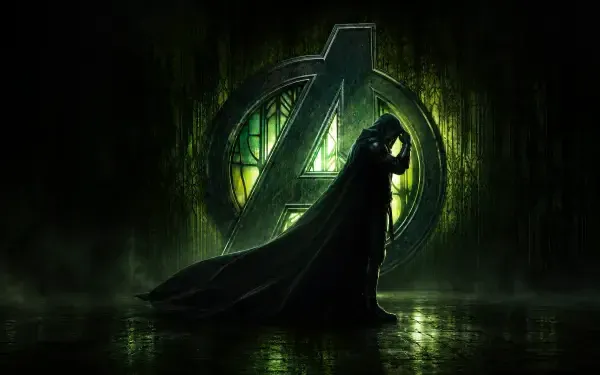
What if marketing a movie wasn’t just about releasing trailers, putting up posters and announcing a release date?
What if the marketing itself became an experience that people wanted to follow, discuss, share and participate in?
That’s exactly what makes the marketing strategy behind Marvel Studios’ Avengers: Doomsday worth examining.
With its massive ensemble cast, returning fan-favourite characters and the introduction of Robert Downey Jr. as Doctor Doom, Marvel has a powerful foundation for generating anticipation. But the interesting part isn’t just the film itself. It’s how the studio is building conversations around it long before audiences enter a cinema.
Scheduled for a theatrical release on December 18, 2026, Avengers: Doomsday demonstrates how entertainment marketing can extend beyond traditional advertising and become a cultural event.
Let’s break down the creative strategies behind the campaign and what brands can learn from them.
1. Creating Curiosity Before Revealing Everything
One of the strongest elements of Marvel’s promotional approach is its use of anticipation.
Instead of immediately revealing everything about the film, Marvel has used character announcements, selective teasers and carefully timed promotional material to keep audiences curious.
Remember the cast announcement?
Rather than relying on a conventional press release, Marvel presented a multi-hour livestream featuring directors’ chairs bearing the names of the film’s cast. Each reveal became another moment for fans to follow and discuss.
The strategy was simple but effective: turn an announcement into an event.
The marketing lesson: You don’t always need to reveal everything to capture attention. Sometimes, creating the right question is more powerful than providing an immediate answer.
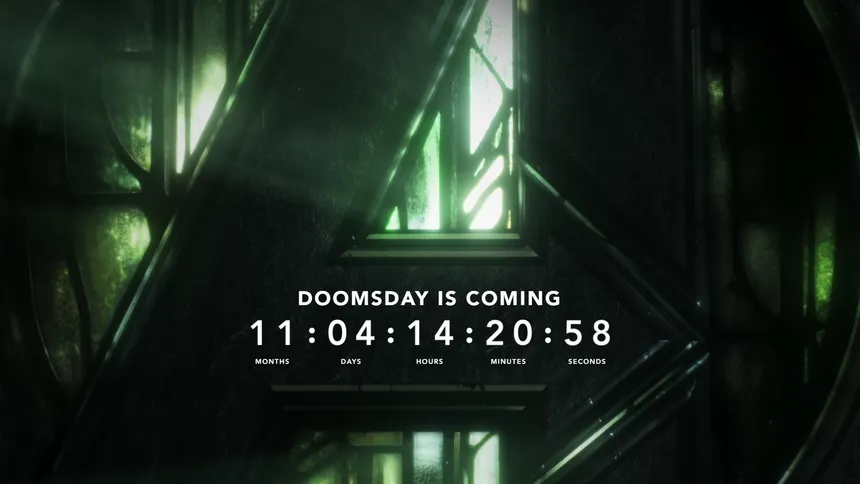
For brands, this could mean launching a product through a series of visual clues, teaser campaigns, countdowns or staged announcements rather than revealing the entire campaign in one go.
2. Turning Every Teaser Into a Conversation
A trailer is traditionally designed to tell audiences what a movie is about. But a teaser can do something much more interesting: make people want to talk.
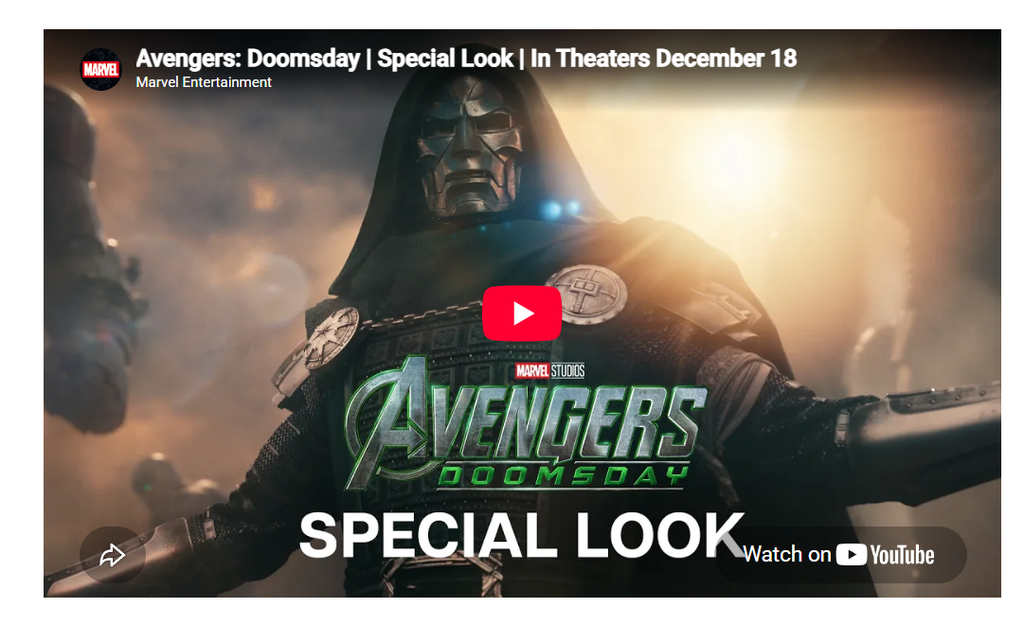
Marvel’s Doomsday promotional rollout has used individual character-focused reveals to build anticipation around different parts of its enormous ensemble.
Each reveal gives fans something new to discuss.
Who is returning? Which universe will collide with another? What does this mean for the story?
The audience does part of the promotional work by sharing theories, creating reaction videos, publishing fan edits and debating possibilities.
This is where marketing becomes more than a one-way communication channel.
The marketing lesson: Give your audience something worth discussing.
A product launch can use a similar approach through:
- Mystery-led teaser videos.
- Behind-the-scenes content.
- Countdown creatives.
- Interactive social media posts.
- User-generated content challenges.
The objective isn’t simply to get people to see your content. It’s to give them a reason to share it.
3. Making Experiential Marketing Part of the Campaign
Some marketing experiences are designed to be seen. Others are designed to be remembered.
Large-scale entertainment franchises understand that audiences want to feel connected to the worlds they watch.
Comic conventions, exclusive fan experiences, theatrical promotions and immersive installations can transform a film’s promotional campaign into something people physically experience.
Marvel’s major convention appearances, including its 2026 San Diego Comic-Con presentation, demonstrate how live events can create moments that generate attention far beyond the venue itself.
For brands, experiential marketing offers a similar opportunity.
Imagine a retail brand launching a new product through an immersive installation, an exhibition featuring interactive product demonstrations or a mall campaign that encourages visitors to participate rather than simply walk past.
The experience becomes the advertisement.
The marketing lesson: Don’t just tell people about your brand. Give them something to experience.
4. Building a Visual Identity That People Recognise Instantly
A successful campaign needs consistency.
Whether audiences encounter a promotional poster, a social media creative, a trailer thumbnail or an outdoor advertisement, the visual identity should feel connected.
For a franchise like Avengers: Doomsday, visual elements, character imagery, dramatic compositions and recognisable branding help establish a consistent campaign across multiple platforms.
But consistency doesn’t mean every creative should look identical.
Different formats serve different purposes:
- Posters establish the campaign’s visual identity.
- Short videos create immediate attention.
- Character creatives spotlight individual heroes.
- Countdown graphics build urgency.
- Outdoor advertising increases visibility.
- Event installations create memorable physical experiences.
The creative challenge is to maintain one recognisable campaign identity while adapting the execution to each platform.
The marketing lesson: A campaign should feel like one connected story, not a collection of unrelated advertisements.
5. Turning Brand Collaborations Into Additional Reach
One of the smartest ways to expand a campaign is to bring other brands into the conversation.
Marvel’s collaboration with Pop Secret for Avengers: Doomsday is an interesting example.
The partnership includes limited-edition packaging, movie rewards and a sweepstakes designed around the film’s theatrical release.
This allows the campaign to reach audiences through another brand’s products and customer touchpoints.
It also creates a connection between the movie experience and everyday consumer behaviour.
For businesses, strategic collaborations can help introduce a brand to audiences it might not otherwise reach.
Think about:
- A fitness brand collaborating with a sports event.
- A restaurant partnering with a local entertainment event.
- A mall collaborating with fashion and lifestyle brands.
- A technology company partnering with content creators.
The strongest collaborations create value for both audiences rather than simply placing two logos next to each other.
The marketing lesson: The right partnership can make your campaign bigger than your own marketing channels.
6. Creating Content for Every Stage of the Customer Journey
A large campaign cannot depend on a single advertisement.
People discover, explore, consider and eventually act at different times. A well-planned marketing strategy needs content for each stage.
The Avengers: Doomsday promotional campaign illustrates how different formats can serve different communication objectives.
| Marketing stage | Content approach | Objective |
|---|---|---|
| Awareness | Posters and announcements | Introduce the film |
| Interest | Character reveals and teasers | Build curiosity |
| Engagement | Fan discussions and reactions | Encourage participation |
| Consideration | Trailers and special looks | Strengthen anticipation |
| Action | Ticket promotions | Drive cinema bookings |
This is an important lesson for businesses.
A brand launching a new product shouldn’t stop at creating a launch poster. It needs a complete content ecosystem that communicates the product’s value, builds trust, answers questions and encourages conversions.
The marketing lesson: Great campaigns don’t depend on one creative. They build a journey.
7. What Businesses Can Learn From Avengers: Doomsday
Not every business has Marvel’s budget, celebrity network or global audience. But the underlying marketing principles are accessible to brands of every size.
Here are five ideas businesses can apply:
- Build anticipation: Make product launches feel like something worth looking forward to.
- Tell a story: Give audiences a reason to connect emotionally with your brand.
- Create participation: Encourage customers to engage instead of simply consuming content.
- Think beyond digital: Combine social media with physical experiences and activations.
- Maintain consistency: Make every campaign touchpoint feel like part of the same brand story.
The biggest takeaway is that marketing is not just about visibility. It’s about creating a meaningful connection between a brand and its audience.
Final Thoughts: Don’t Just Advertise. Create an Experience.
The marketing conversation around Avengers: Doomsday highlights an important shift in how major entertainment releases are promoted.
The audience is no longer just waiting for an advertisement. It is following announcements, sharing theories, engaging with content, attending events and participating in the excitement surrounding the release.
That is the power of a well-connected marketing campaign.
For businesses, the opportunity is to think beyond individual advertisements and start building campaigns that combine strategy, creativity, storytelling, design, digital communication and real-world experiences.
Because ultimately, people may forget an advertisement they scrolled past.
But they remember a campaign that made them feel something.
At SparkPro Creatives, we believe great marketing starts with a great idea and comes alive through the right creative execution. From branding and campaign development to digital creatives, exhibitions and experiential marketing, we help brands turn ideas into experiences.
Have a campaign idea? Let’s bring it to life.
Frequently Asked Questions
1. What makes the Avengers: Doomsday marketing campaign interesting?
Its use of character reveals, teaser campaigns, large-scale announcements, fan engagement, live events and brand collaborations makes it an interesting example of integrated entertainment marketing.
2. What is experiential marketing?
Experiential marketing is a strategy that allows audiences to interact with a brand through physical or digital experiences, such as installations, events, demonstrations and interactive activations.
3. How can small businesses use Marvel’s marketing strategies?
Small businesses can adapt the same principles through teaser campaigns, storytelling, interactive social media content, local collaborations, product launch events and consistent visual branding.
4. Why is storytelling important in marketing?
Storytelling helps brands create emotional connections, make their communication more memorable and give audiences a reason to engage beyond the product itself.
5. What is an integrated marketing campaign?
An integrated marketing campaign combines multiple communication channels, including digital marketing, social media, advertising, events and offline experiences, to deliver one consistent brand message.
Leave a Reply