
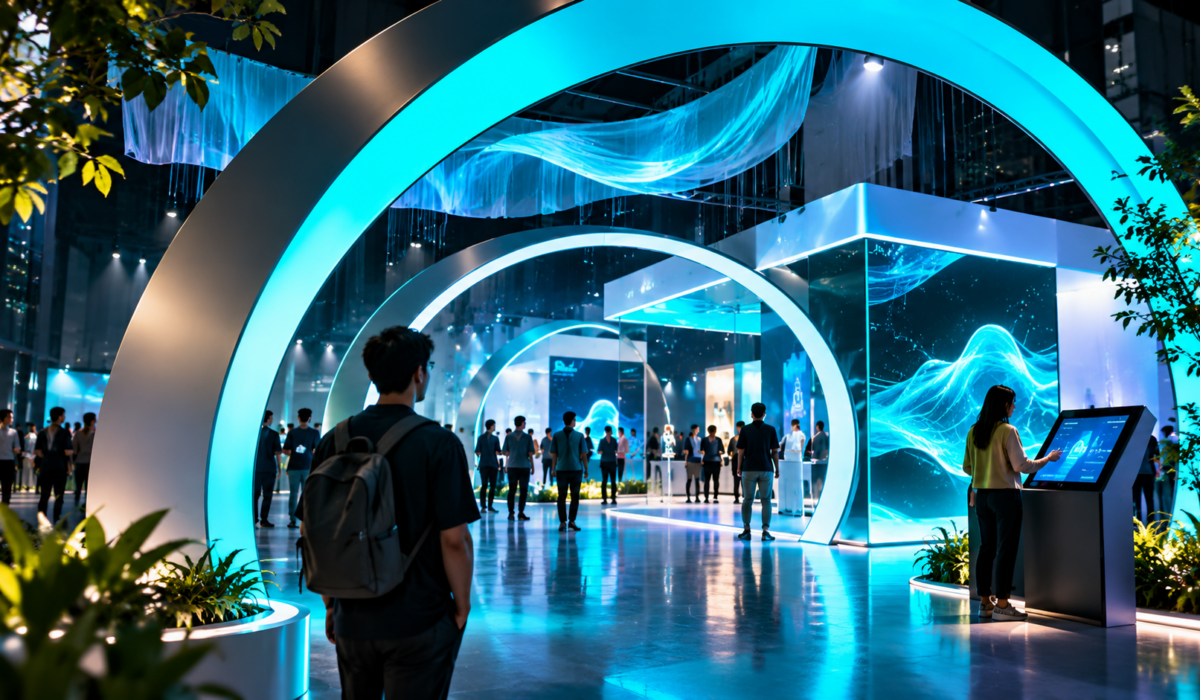
People may forget an advertisement they scroll past. But they are more likely to remember a brand they experience.
Think about the last time a brand genuinely caught your attention. Was it another social media advertisement, a billboard you passed on your way to work, or an experience that made you stop, participate and engage?
The way consumers interact with brands is changing. In a world filled with digital advertisements, promotional messages and endless content, simply being visible is no longer enough. Brands need to create meaningful connections.
This is where experiential marketing comes in.
From immersive brand activations and interactive installations to exhibitions, product demonstrations and live events, experiential marketing is transforming how businesses connect with their audiences.
And it is becoming an increasingly important part of modern marketing strategies.
1. The Shift from Advertising to Experiences
Traditional advertising focuses on communicating a message to an audience. Experiential marketing takes a different approach: it invites the audience to become part of the message.
Instead of simply telling consumers about a product, brands create opportunities for people to interact with it, experience its benefits and connect with the brand on a more personal level.
This shift is particularly relevant in India.
According to the March 2026 BookMyShow–EY-Parthenon report, India’s live events market is valued at approximately ₹13,000 crore. The report found that 59% of live event attendees recalled brands they interacted with on-ground, while 55% reported higher purchase intent following those interactions.
These findings highlight an important change in consumer engagement: participation can create stronger brand connections than passive exposure alone.
For brands, this means moving beyond visibility and creating experiences that people genuinely want to engage with.
2. Why Experiential Marketing Is Gaining Momentum
Consumers are exposed to countless marketing messages every day. As digital platforms become increasingly crowded, brands need new ways to capture attention and remain memorable.
Experiential marketing offers something traditional advertising often cannot: direct interaction.
Here are some reasons behind its growing popularity.
Emotional connection
People remember experiences that make them feel something. A thoughtfully designed brand activation can create excitement, curiosity, surprise or a sense of belonging.
Product interaction
Consumers can see, touch, test and experience products before making purchasing decisions. This is particularly valuable for industries such as electronics, automobiles, beauty, food and consumer technology.
Social sharing
A visually interesting or interactive brand experience can encourage visitors to photograph, record and share their experiences online, extending campaign visibility beyond the physical location.
Stronger brand recall
When consumers actively participate in an experience, they have an opportunity to connect the brand with a memorable moment.
Real-time engagement
Brands can interact directly with potential customers, answer questions, gather feedback and understand consumer preferences.
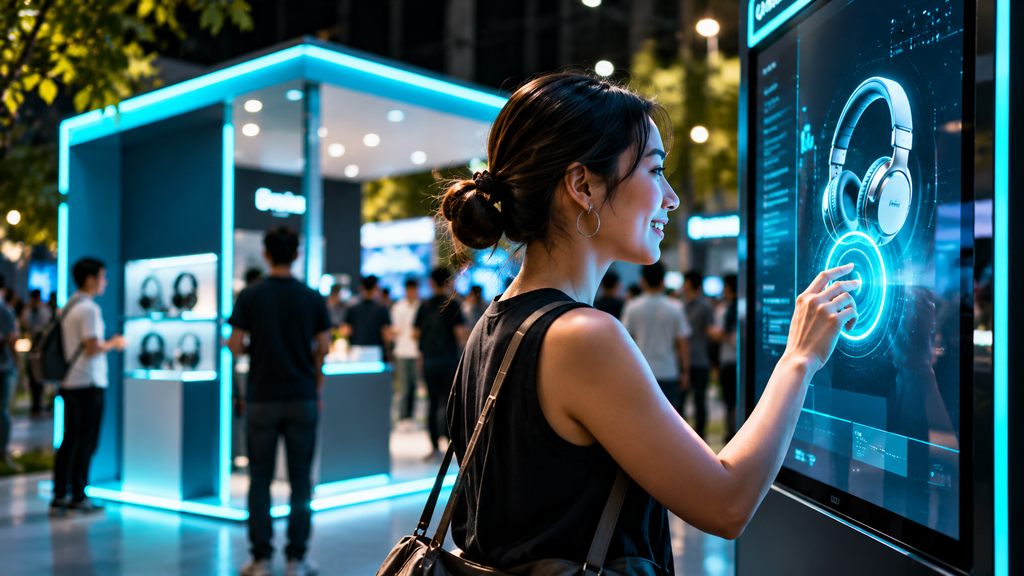
The objective is not simply to attract a crowd. It is to create meaningful interactions that contribute to business outcomes.
3. The Different Forms of Experiential Marketing
Experiential marketing is not limited to large-scale events or expensive installations. It can take several forms depending on the campaign objective, target audience and available resources.
Brand Activations
Brand activations bring a brand to life through interactive experiences. These can include product demonstrations, sampling activities, promotional kiosks, interactive games and themed installations.
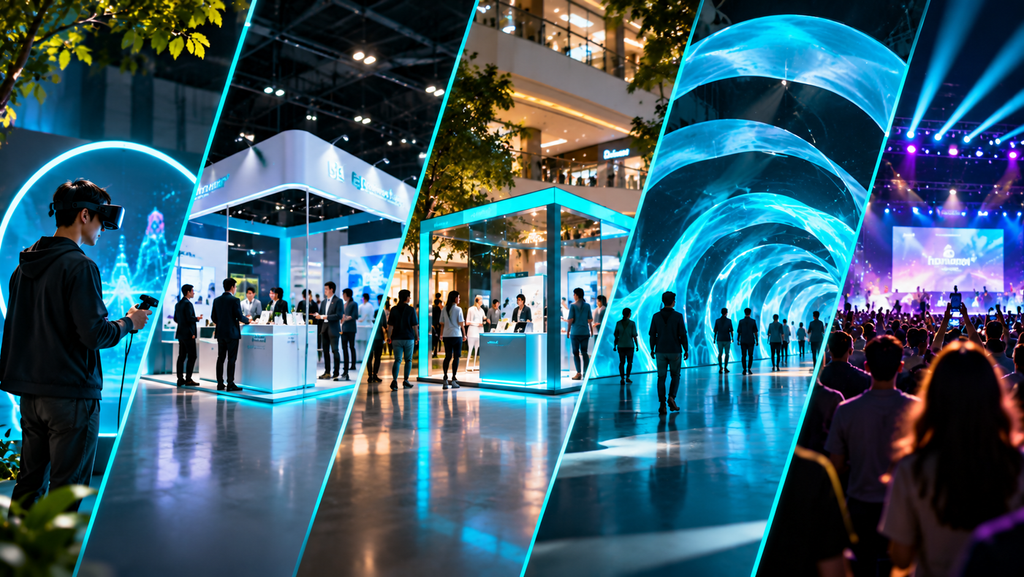
A beverage brand, for example, could create a summer-themed activation where visitors experience product sampling alongside an engaging visual environment.
Exhibition and Trade Show Marketing
Exhibitions provide businesses with opportunities to connect with industry professionals, potential customers, distributors and business partners.
A well-designed exhibition stall goes beyond displaying products. It communicates brand identity, demonstrates capabilities and creates opportunities for meaningful business conversations.
For B2B brands, exhibitions can become powerful platforms for networking, lead generation and relationship building.
Mall and Retail Activations
Shopping malls and retail spaces provide access to audiences who are already in a discovery and purchasing environment.
Interactive installations, seasonal experiences, product showcases and promotional activities can encourage visitors to spend more time engaging with a brand.
Immersive Brand Installations
Creative installations transform physical spaces into brand experiences.
From large-scale visual displays and themed environments to interactive digital elements, these experiences can make a brand more engaging and memorable.
Events and Sponsorship Activations
Concerts, festivals, sporting events and cultural gatherings bring together audiences with shared interests.
Brands can become part of these moments through customised experiences, interactive zones, sampling and sponsorship integrations.
The most effective format is the one that connects naturally with the audience and the brand’s objectives.
4. Creativity Is What Makes an Experience Memorable
An experiential campaign does not become successful simply because it is large, expensive or visually impressive.
Its effectiveness depends on the idea behind it.
A good brand experience should have a clear purpose, a compelling concept and a strong connection with the brand’s identity.
Consider three important elements:
The Big Idea
Every successful experience begins with a concept. What should visitors feel, discover or remember? The creative idea should translate the brand’s message into something people can interact with.

The Physical Experience
The environment, structure, lighting, graphics, installations and visitor journey should work together to bring the concept to life.
The Brand Connection
The experience should reinforce what the brand represents. An attractive installation that people enjoy but cannot associate with the brand may generate attention without delivering meaningful brand value.
The best experiential campaigns balance creative thinking with strategic execution.
5. Why BTL Marketing Still Matters in a Digital-First World
Digital marketing has transformed how businesses reach their audiences. However, physical interactions continue to play an important role in the customer journey.
This is where Below-the-Line (BTL) marketing becomes relevant.
BTL marketing focuses on targeted, direct and often interactive promotional activities rather than relying exclusively on mass-media communication.
Some common BTL activities include:
- In-store promotions and product demonstrations.
- Mall activations and promotional kiosks.
- Roadshows and mobile brand experiences.
- Sampling and trial campaigns.
- Exhibition participation.
- Corporate events and product launches.
- Local community engagement.
The real opportunity lies in connecting BTL activities with digital marketing.
For example, a brand activation can encourage visitors to participate in an on-ground activity, scan a QR code, follow the brand’s social media page or register for a product demonstration.
The physical experience creates the interaction, while digital platforms extend the conversation.
This combination allows brands to build a more connected marketing ecosystem.
6. Turning Experiences into Measurable Marketing Results
One of the biggest challenges in experiential marketing is measuring its actual impact.
A successful activation should not be evaluated only by the number of visitors or the visual appeal of the installation.
Brands need to identify what they want to achieve before planning the campaign.
Depending on the objective, important performance indicators may include:
| Campaign objective | What to measure |
|---|---|
| Brand awareness | Reach, footfall and brand recall |
| Consumer engagement | Participation and interaction rates |
| Product trial | Samples distributed and product demonstrations |
| Lead generation | Qualified leads and enquiries |
| Sales growth | Conversions and revenue attributed |
| Digital amplification | Social mentions, shares and user-generated content |
For B2B exhibitions, additional measurements could include qualified business conversations, meetings scheduled, prospects identified and post-event follow-ups.
Measurement should begin during campaign planning, not after the event is over.
When brands understand what they are measuring, experiential marketing becomes easier to evaluate, optimise and integrate into larger marketing strategies.
7. The Future of Experiential Marketing: Physical Meets Digital
Experiential marketing is evolving beyond traditional physical activations.
Technology is opening new possibilities for brands to create more interactive and personalised experiences.
Some emerging approaches include:
Augmented Reality (AR): Allowing consumers to interact with digital elements in physical environments.
Gamification: Using interactive challenges, competitions and rewards to encourage participation.
Interactive Digital Installations: Creating engaging environments through screens, sensors and digital displays.
QR-Enabled Experiences: Connecting physical activations with digital content, registrations and product information.
Social Media Integration: Encouraging visitors to share their experiences through branded content and user-generated campaigns.
However, technology should never become the main attraction without a purpose. It should support the creative concept and make the experience more meaningful.
The future belongs to brands that combine technology, creativity and human interaction effectively.
8. Building an Experiential Campaign That Works
A successful experiential campaign requires more than a creative installation or an event setup. It needs a clear strategy and coordinated execution.
A structured approach generally involves five stages:
- Understand the audience: Identify who the brand wants to reach, where they spend time and what motivates them.
- Define the objective: Establish whether the campaign is intended to generate awareness, engagement, product trials, leads or sales.
- Develop the creative concept: Translate the campaign objective into an experience that communicates the brand’s message.
- Plan and execute: Coordinate design, production, logistics, staffing, permissions and on-ground implementation.
- Measure and follow up: Evaluate performance, collect insights and continue engaging with potential customers after the activation.
The experience should not end when the event closes. Follow-up communication, digital engagement and lead nurturing are important parts of the overall campaign.
Final Thoughts: Don’t Just Advertise. Create Something People Remember.
Marketing is no longer just about how many people see a brand. It is increasingly about how people connect with it.
Billboards, digital advertisements and social media campaigns remain important. But experiential marketing adds another dimension by allowing consumers to interact with brands in real environments.
For businesses looking to build stronger brand relationships, generate meaningful engagement and create memorable campaigns, experiences offer an opportunity to stand apart.
At SparkPro Creatives, we believe that powerful marketing begins with powerful ideas.
From exhibition design and brand activations to marketing collaterals, creative concepts and integrated campaign communication, we bring strategy and creativity together to help brands make a stronger impression.
Because the best campaigns don’t just get noticed.
They get experienced.
Have an experience worth creating? Let’s bring your next brand idea to life.
[Connect with SparkPro Creatives](https:
Leave a Reply