
Will it return.
There was a time when owning a BlackBerry wasn’t simply a choice.It was an identity.You didn’t just have a BlackBerry. You were a BlackBerry person.
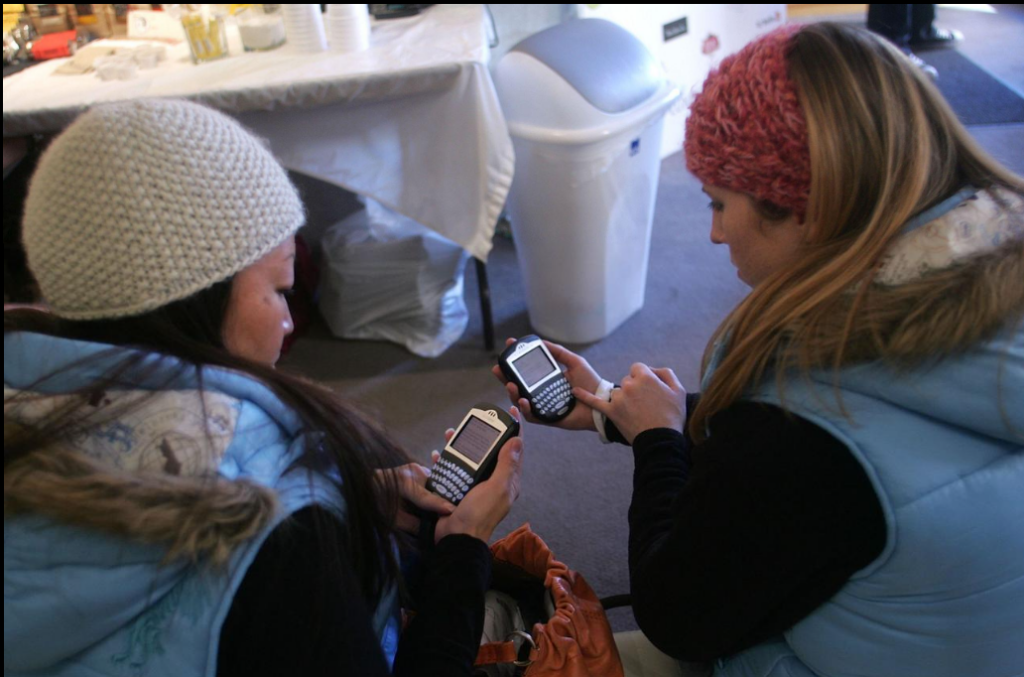
You knew your BBM PIN. You knew the difference between a “D” and an “R.” You could type without looking at the keyboard. And if someone criticized BlackBerry, you probably had a reason why they were wrong.
That is what made BlackBerry different.It didn’t just create customers.
It created believers.
What Made People Love BlackBerry?
It wasn’t just the technology.It was the experience.The physical keyboard felt personal. The clicking keys, the speed of typing and the ability to write without looking at the screen created a relationship with the device.
Then came BBM.
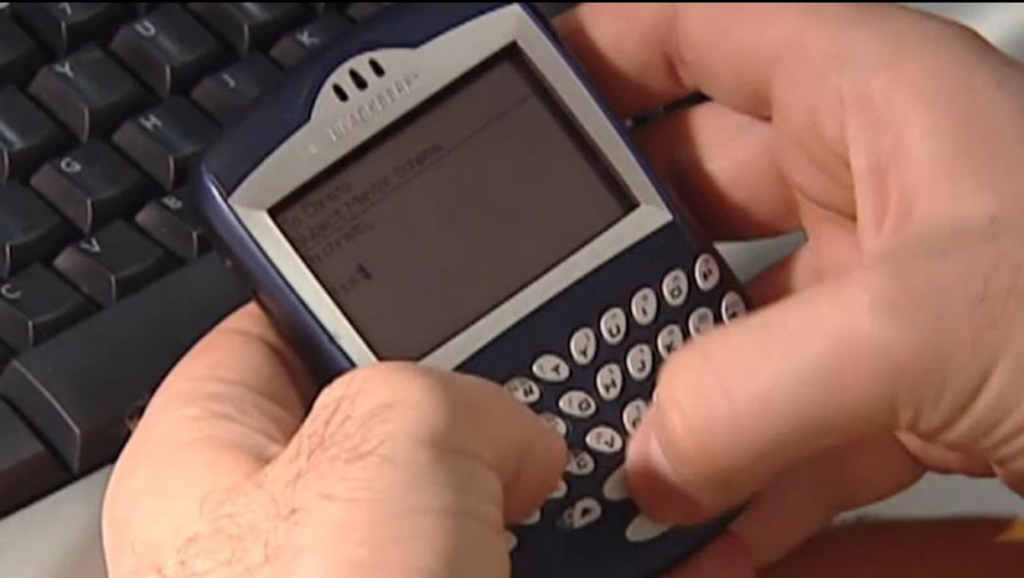
PINs, groups, statuses, display pictures, the “D” and the “R.”BBM wasn’t just messaging. It created a community.Your PIN became almost like a secret handshake. BlackBerry users had their own language, habits and social circles.Even the little red notification light became a ritual.
See the light.
Pick up the phone.
Check the message.
Respond.
Wait for the next one.
These small rituals turned a device into a habit.
BlackBerry Was a Status Symbol
BlackBerry also made people feel important.Executives, entrepreneurs and celebrities were constantly seen using them.A person typing away on a BlackBerry looked busy, connected and productive.
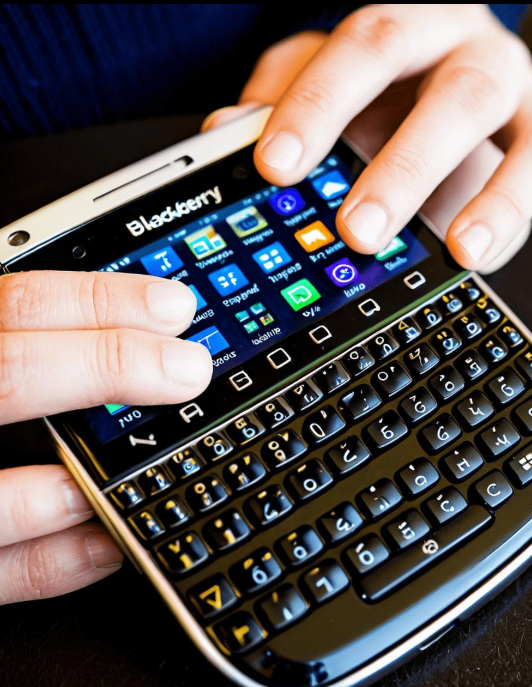
The message was subtle:
“I have things happening.”
The phone wasn’t just communicating your messages.
It was communicating who you were.
And when people started defending the keyboard, BBM and the brand itself, BlackBerry had crossed an important line.
A customer compares products.
A believer defends a brand.
Then the World Changed
The iPhone and Android changed what people expected from a smartphone.Phones became cameras, gaming devices, entertainment platforms and app ecosystems.BlackBerry was built around productivity and communication.The market moved toward everything.
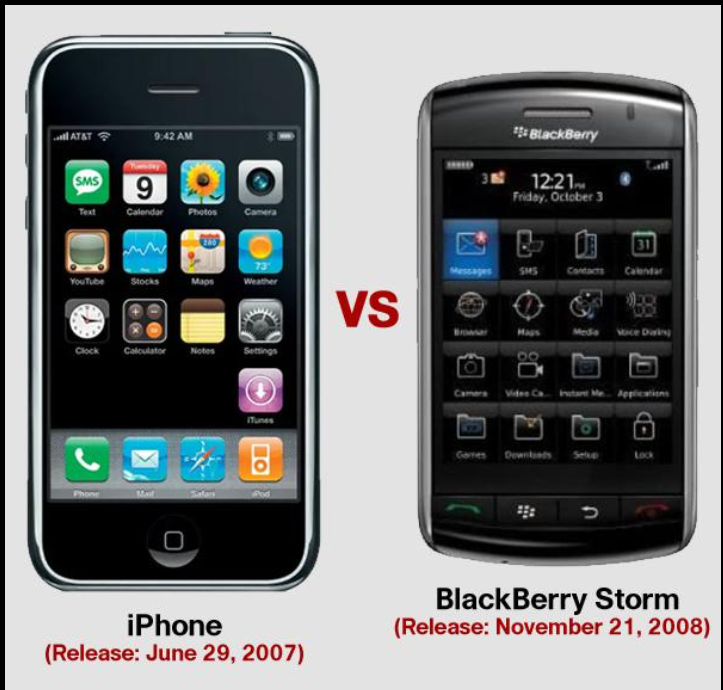
BlackBerry’s greatest strength became its biggest limitation.
But here’s the interesting part:
People didn’t necessarily stop loving BlackBerry.
They stopped using it.The emotional connection remained.People still remember the keyboard.They remember BBM.They remember the notification light.They remember what it felt like to use one.
And that raises an interesting question.
If BlackBerry Came Back, Would People Buy It?
Some absolutely would.
But nostalgia alone wouldn’t be enough.People don’t necessarily want the old BlackBerry back.They want the feeling back.
A modern BlackBerry could combine the things people loved:
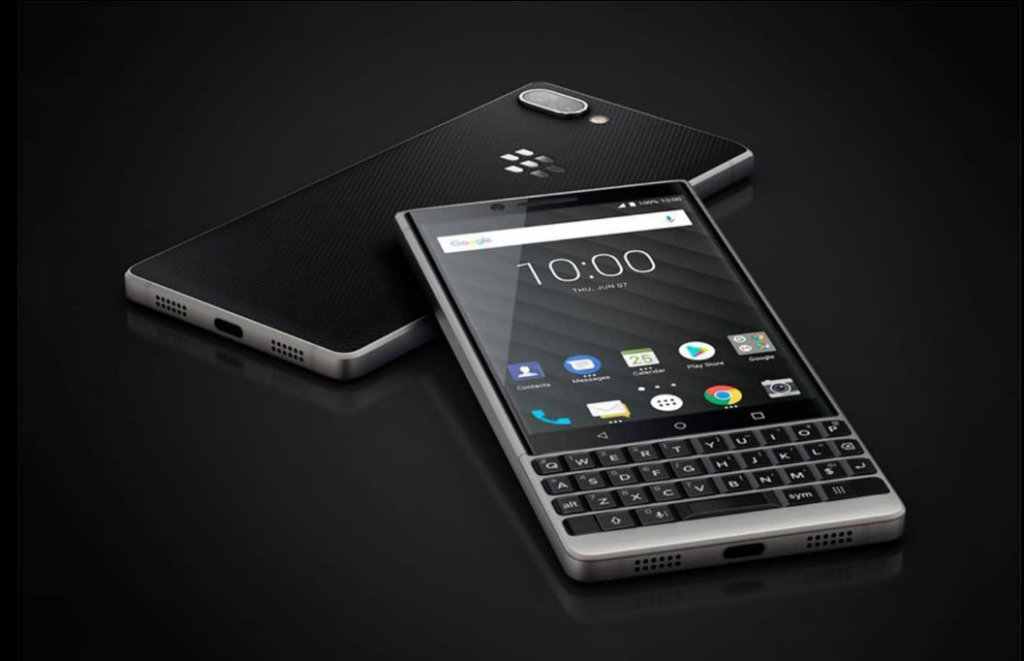
Physical keyboard.
Modern apps.
Strong security.
Great camera.
Long battery life.
And a focus-first experience.
Instead of competing with Apple and Samsung on specifications, BlackBerry could own a different idea:
A phone for people who want their attention back.
The old BlackBerry represented productivity.
A new BlackBerry could represent focus.
Could the Cult Return?
Maybe.
But it wouldn’t return because BlackBerry recreated an old phone.
It would return if BlackBerry recreated what made people belong.
A distinctive product.
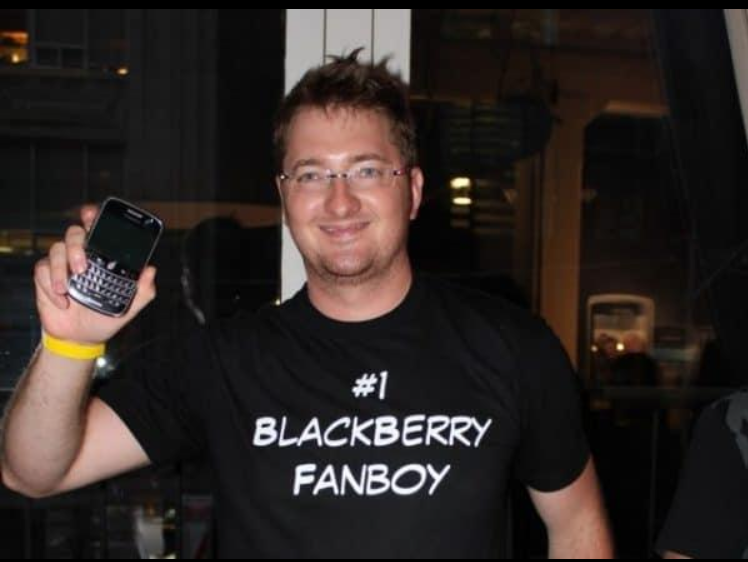
Unique rituals.
A community.
A language.
And something worth believing in.
Because BlackBerry’s greatest achievement wasn’t creating a great phone.
It was making people feel that being a BlackBerry user meant something.
And perhaps that’s the real lesson.
People may forget the product.
They rarely forget how the product made them feel.
BlackBerry didn’t just sell phones.
It sold belonging.
Leave a Reply