
Pepsi is one of those brands that pretty much everyone knows.
It has been around for more than 100 years, competed head-to-head with Coca-Cola, and stayed deeply connected to music, sports and pop culture.
But there’s something interesting about Pepsi’s branding.
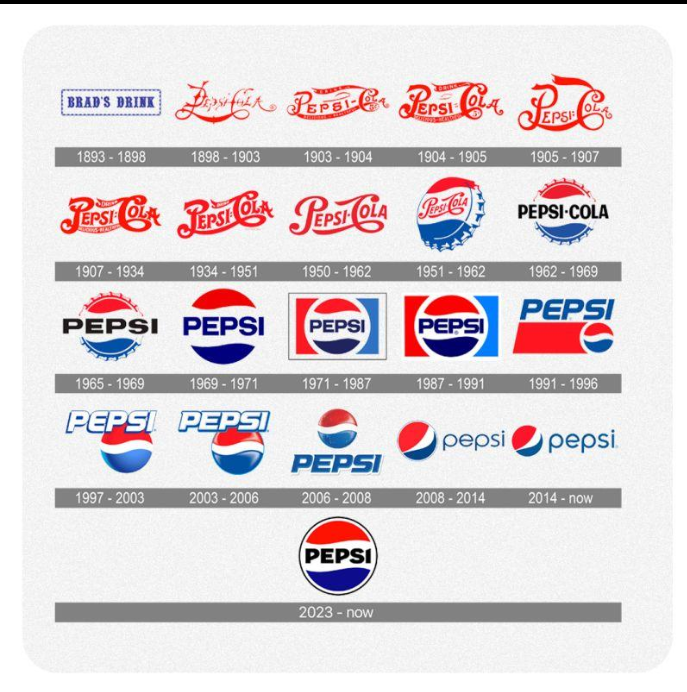
It keeps changing.
And that raises a simple question: does changing your identity actually make your brand better?
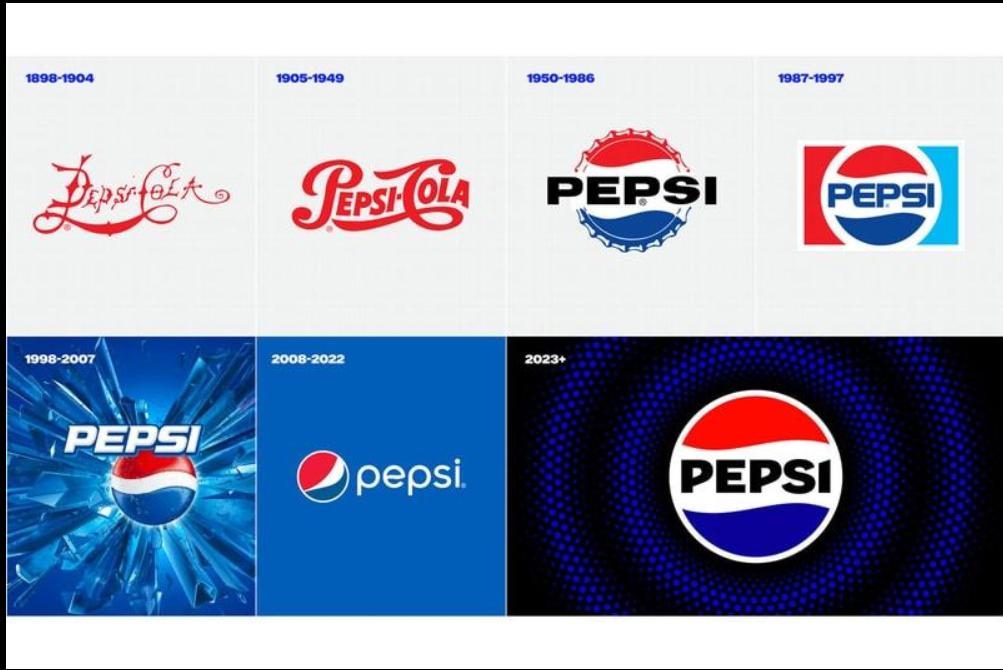
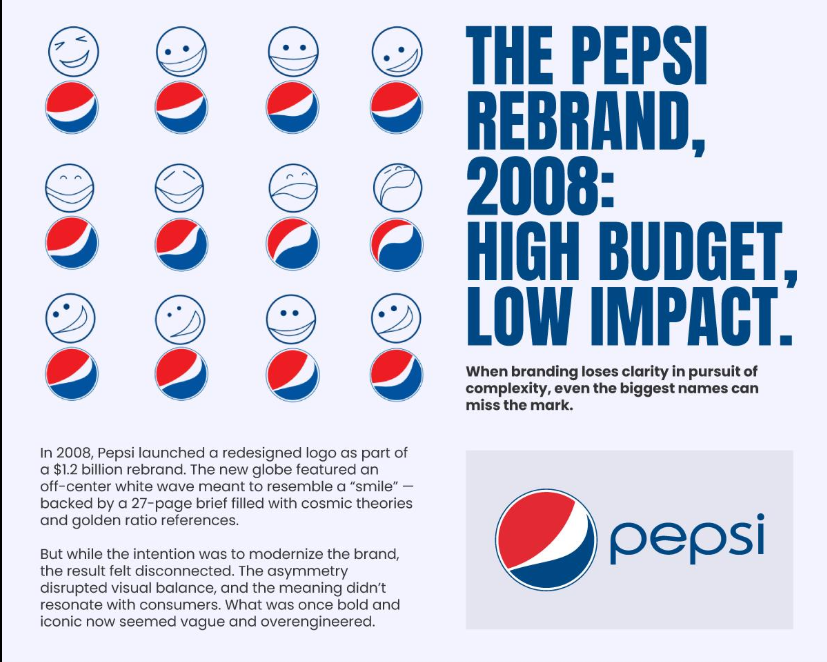
Pepsi has redesigned its logo and visual identity several times over the years. Its latest redesign brought back some of its older visual elements while giving them a more modern look.
On paper, it makes sense. Brands need to evolve. What looked modern ten years ago might not look good today.
But there’s a fine line between evolving a brand and constantly revamping it.
Change Is Good. But Why Change?
A new logo is easy to notice.
A strong brand is much harder to build.
Pepsi has spent decades creating associations with youth, music, sport, entertainment and pop culture. Those associations are much more valuable than the logo sitting on the can.
So instead of asking, “Does our logo look modern?”, brands should be asking:
“What do people actually remember about us?”
That’s where Pepsi gets interesting.
Pepsi Gets One Thing Right
The latest identity doesn’t completely forget where Pepsi came from.
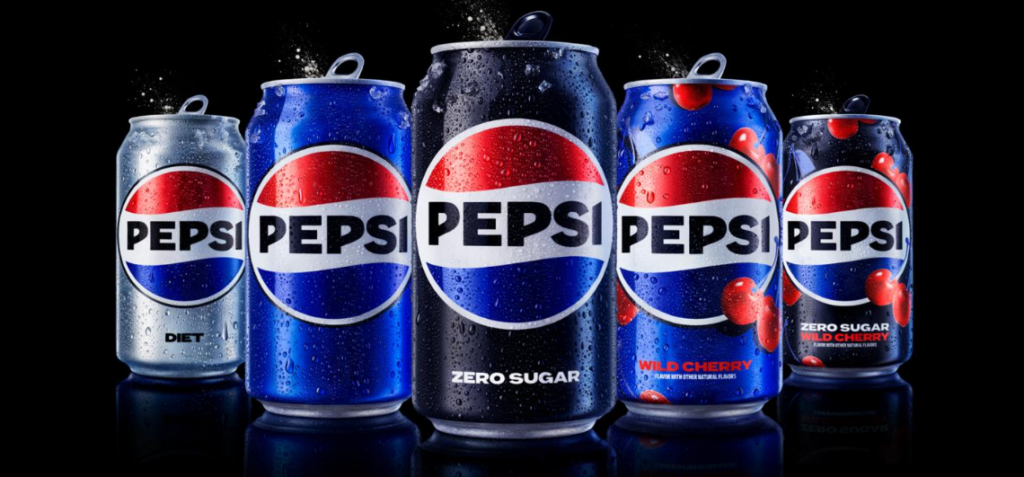
It brings back elements of its heritage while making them feel more contemporary. The result is bold, energetic and designed to work across everything from packaging to digital platforms.
And that’s probably the right approach.
The best rebrands don’t erase the past.
They know what is worth keeping.
But Here’s the Problem
When a brand keeps changing, there is always a risk of losing some of the familiarity people have built with it.
Pepsi doesn’t really have an awareness problem. People already know Pepsi.
So the challenge isn’t getting people to recognize the brand.
It’s making sure that while Pepsi moves forward, people still recognize the Pepsi they already know.
That’s something every established brand should think about before hitting the redesign button.
A Rebrand Isn’t Just a New Logo
This is where brands often get it wrong.
A rebrand becomes:
New logo.
New colours.
New fonts.
New packaging.
Done.
But that’s not really branding. That’s just changing the appearance.
A successful rebrand should answer a bigger question:
What are we trying to change in people’s minds?
If the answer is unclear, a new logo isn’t going to fix it.
What Pepsi Can Teach Us
Pepsi’s story isn’t really about whether its latest logo is good or bad.
It’s about knowing when to change and when to stay familiar.
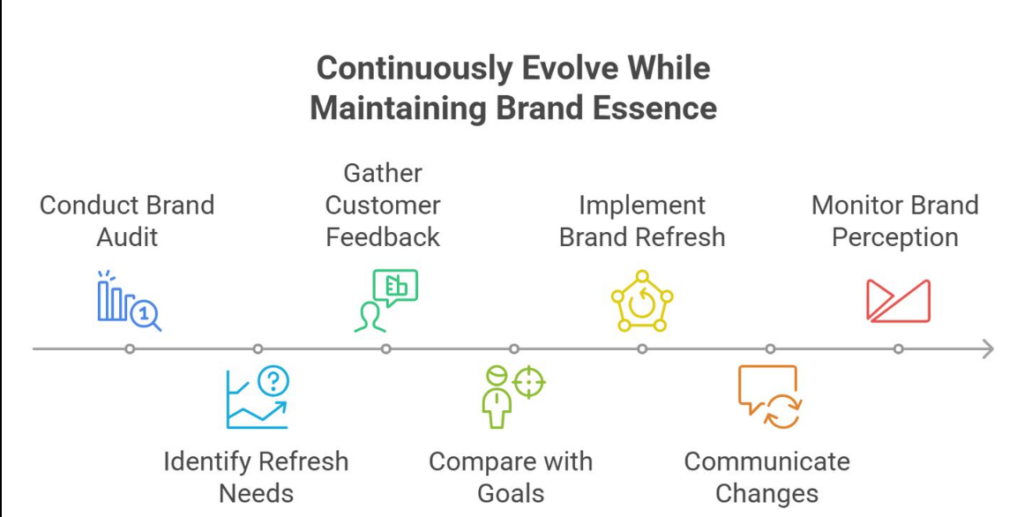
Before changing a brand, ask:
What should we keep?
What needs to change?
What do people already love about us?
And most importantly:
Are we changing because the brand needs it, or because we simply want something new?
Because new doesn’t automatically mean better.
The Takeaway
Pepsi is a great example of how difficult it is to evolve a brand that is already iconic.
You can’t stay exactly the same forever.
But you also can’t keep changing just for the sake of change.
The goal isn’t to become a completely new brand.
It’s to become a better version of the brand people already know.
That’s what good branding should do:
Evolve without losing what makes you recognizable.
Can SPARKPRO handle the complete branding process?
Yes. From strategy and visual identity to campaigns, content, and digital creatives, we can work across the entire brand journey.
Can SPARKPRO work with our existing brand identity?
Absolutely. Sparkpro can either build from scratch or work within your existing guidelines while improving the overall creative quality.
Does Sparkpro offer CGI and product visualization?
Yes. Sparkpro create CGI product visuals, animations, explainer videos, product renders, and campaign visuals.
a.d.a.m.u.0.040812627@gmail.com