
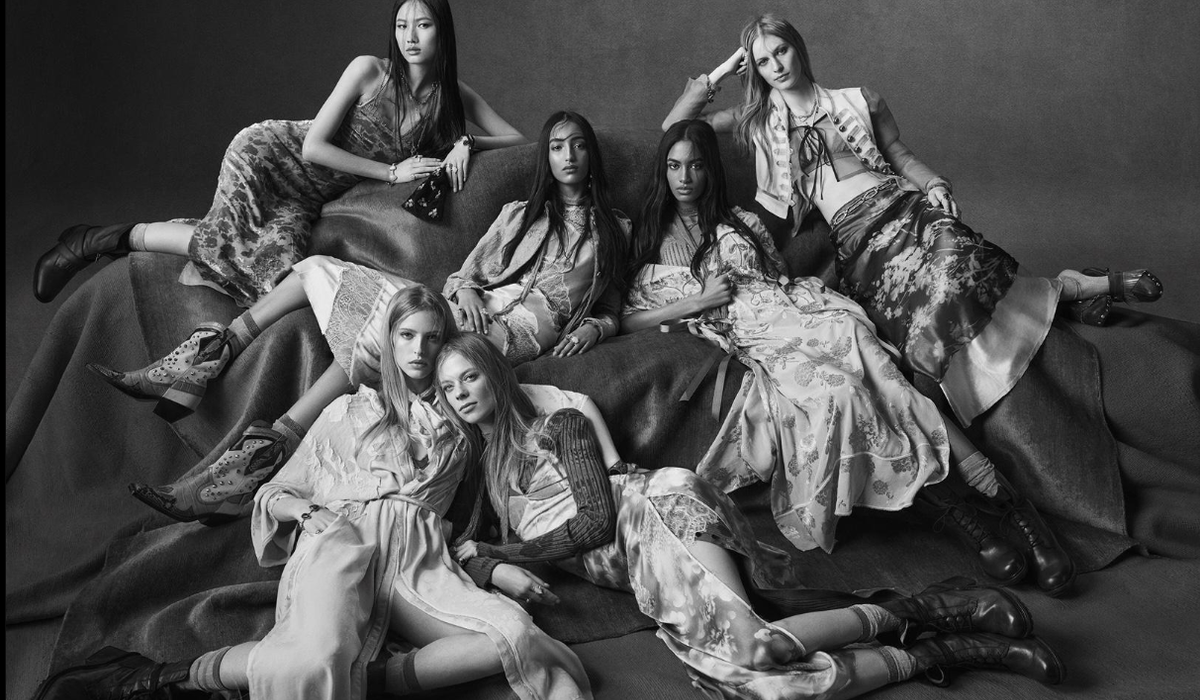
Walk into a Zara store and you’ll notice something unusual.
There may be little of the aggressive advertising you associate with major fashion brands. No endless celebrity endorsements. No constant stream of massive TV campaigns. No desperate “BUY NOW” messaging everywhere.
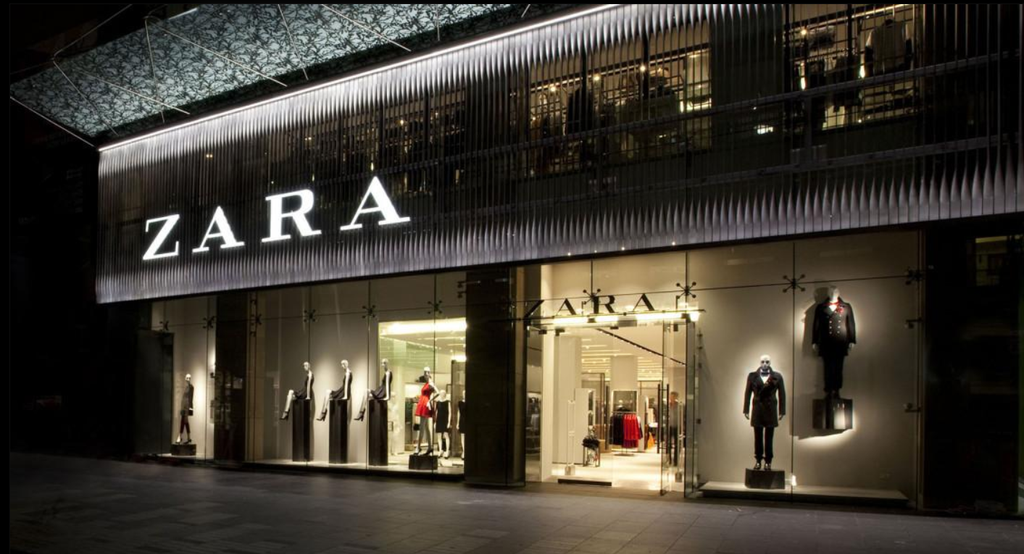
And yet, you know Zara.
You probably know what their stores look like. You know the visual language. You know the kind of clothes they sell. You’ve probably seen their products on someone’s Instagram feed without even realizing it was part of Zara’s marketing machine.
That raises an interesting question:
Does Zara actually need advertising?
The short answer is: not in the traditional sense.
But that doesn’t mean Zara doesn’t market itself.
In fact, Zara’s marketing strategy is one of the reasons the brand became so powerful.
Zara’s Biggest Advertisement Is Zara Itself
Most brands spend enormous amounts of money trying to convince consumers that their products are desirable.
Zara takes a different approach.
The product, the store, the packaging, the photography, the website, the window displays and even the limited availability of certain pieces all contribute to the same message:
“This is what fashion looks like right now.”
The brand doesn’t always need to tell you that something is fashionable.
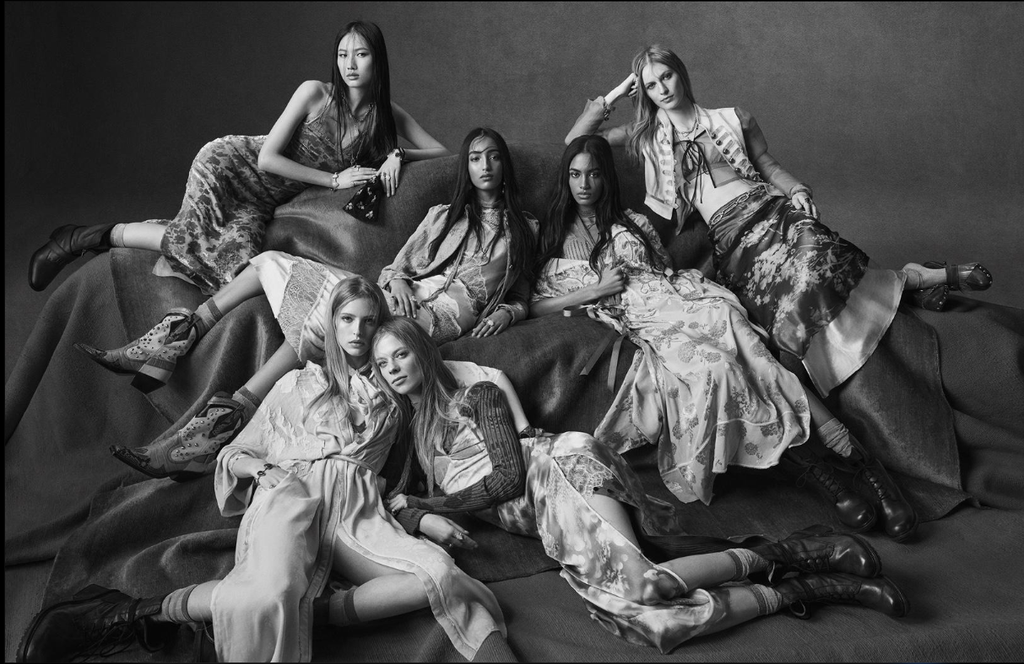
It makes you feel that it is.
That’s a very different marketing strategy.
Instead of putting all its energy into telling consumers what to want, Zara creates an environment where consumers constantly discover something they want.
And that distinction matters.
The Psychology of “Maybe It Won’t Be There Tomorrow”
One of Zara’s strongest marketing weapons isn’t a slogan.
It’s scarcity.
Walk into a Zara store, see something you like, and there is always a small question in the back of your mind:
“Will this still be here next time?”
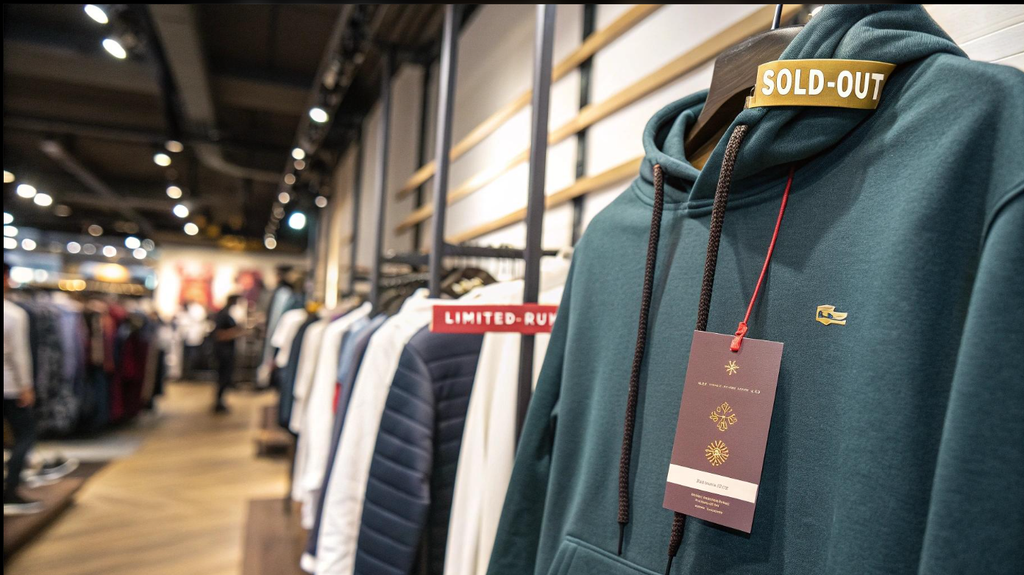
That uncertainty creates urgency.
Traditional advertising often says:
“Buy this because it’s great.”
Zara’s retail experience can communicate something closer to:
“If you want it, don’t wait.”
That’s powerful consumer psychology.
Scarcity creates perceived value. Limited availability reduces hesitation. And the possibility of missing out pushes consumers toward faster decisions.
The product doesn’t necessarily become more valuable because it’s objectively better.
It becomes more valuable because you might lose the opportunity to own it.
That’s FOMO turned into a retail strategy.
The Store Is Part of the Campaign
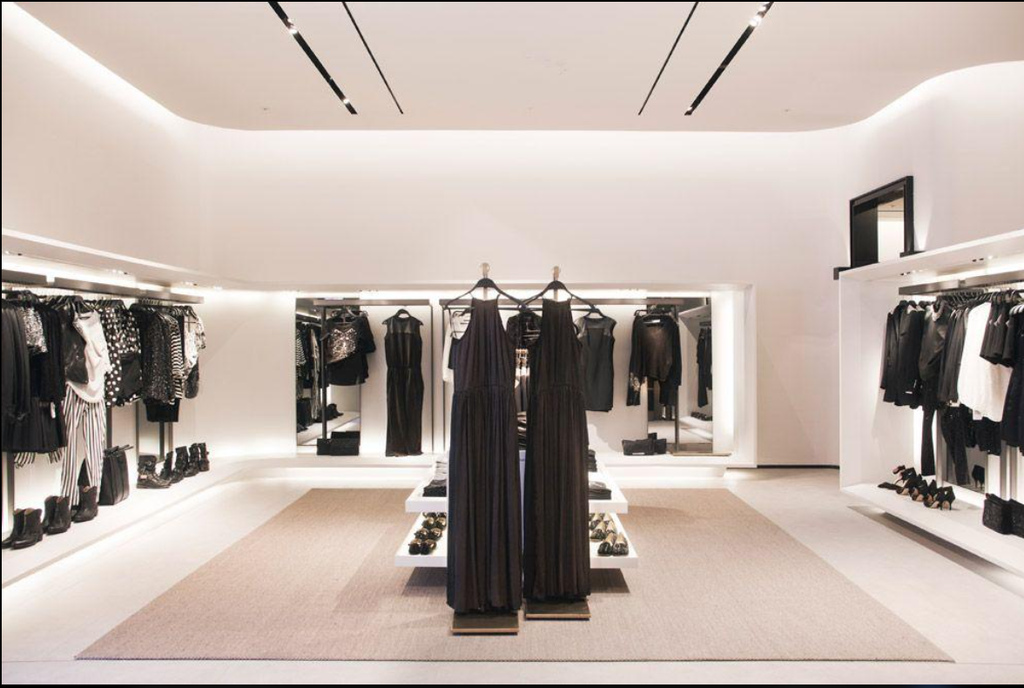
Another reason Zara doesn’t need conventional advertising is that its stores do a lot of the communication.
The architecture is minimal.
The photography is editorial.
The displays are carefully curated.
The clothing is presented more like fashion than inventory.
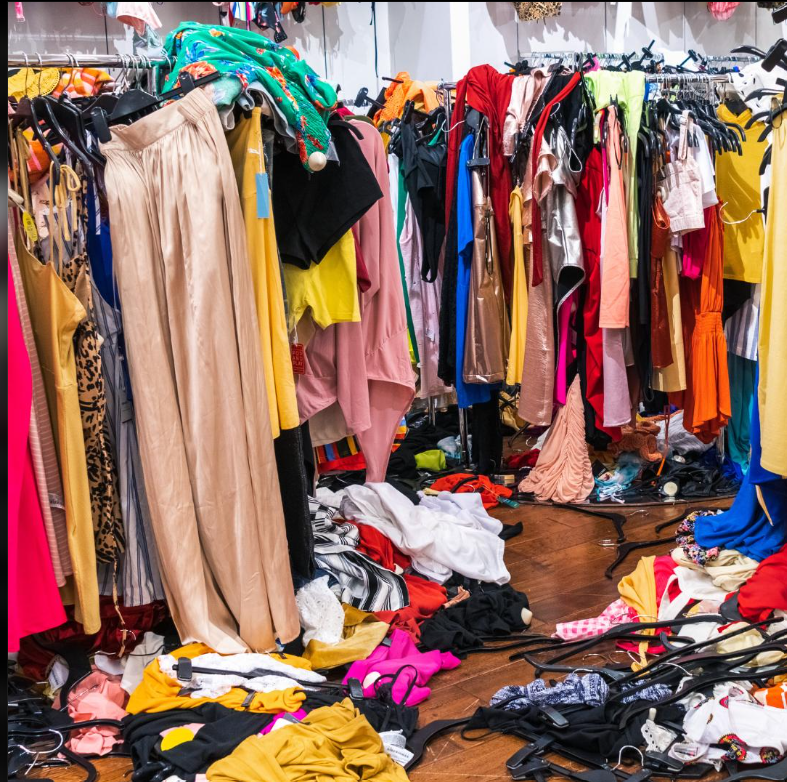
Compare this with a typical discount retailer where the communication might revolve around:
SALE. 30% OFF. BUY 2 GET 1. LIMITED OFFER.
Zara rarely needs to scream.
The environment itself communicates premium, modern and fashionable.
This is an important marketing lesson:
Your brand doesn’t always have to communicate through advertisements.
Your store can communicate.
Your packaging can communicate.
Your website can communicate.
Your product photography can communicate.
Your customer experience can communicate.
Every touchpoint can become media.
Zara Turned Customers Into Distribution
Here’s where the strategy gets even more interesting.
Zara doesn’t have to create every conversation about Zara.
Its customers do that.
Someone buys a jacket.
They wear it to a party.
Someone asks where it’s from.
They post a picture.
Another person sees it.
They visit Zara.
The cycle continues.
Social media has made this even more powerful.
Instead of paying for every impression, brands can create products and experiences that generate organic visibility.
This is essentially turning the customer into part of the distribution network.
And unlike a traditional advertisement, a recommendation from another person feels less like marketing.
It feels like discovery.
But Here’s Where Zara Gets Interesting
If Zara’s marketing is so effective, why does it still invest in campaigns, social media, photography and brand communication?
Because the statement “Zara doesn’t advertise” isn’t completely true.
That’s where the headline becomes interesting.
Zara doesn’t eliminate marketing.
It changes what marketing looks like.
Its campaigns are often highly visual and editorial.
Its website is carefully art-directed.
Its social presence is curated.
Its stores are strategically designed.
Its collaborations and collections generate conversation.
Its window displays constantly refresh the brand’s visual identity.
That’s marketing.
Just not the traditional, interruption-based kind.
Zara has essentially moved marketing from:
“Look at our advertisement.”
to:
“Look at what everyone is wearing.”
The Weakness of the Strategy
But there is a problem.
A strategy built around constant novelty has a dangerous side effect:
The brand has to keep producing novelty.
If your competitive advantage is being faster, newer and more relevant than everyone else, standing still becomes almost impossible.
And that creates a bigger question around fast fashion.
Can a brand continuously encourage consumers to want something new while simultaneously talking about sustainability?
That’s where the brand conversation becomes complicated.
The marketing message can say:
“Buy better.”
But the business model can still encourage:
“Buy again.”
That contradiction isn’t unique to Zara.
It is one of the biggest challenges facing the entire fashion industry.
Zara vs. the Traditional Advertising Model
Think about two hypothetical brands.
Brand A
Spends millions on advertising.
Uses celebrities.
Runs constant discounts.
Creates aggressive social campaigns.
Pushes products through paid media.
Brand B
Creates strong products.
Controls availability.
Builds desirable stores.
Maintains a distinctive visual identity.
Generates social conversation.
Creates a sense of urgency.
Which one needs more advertising?
Probably Brand A.
Because advertising is compensating for the lack of other forms of demand generation.
Zara’s approach is different.
The product creates desire.
The store creates experience.
Scarcity creates urgency.
Customers create conversation.
And marketing connects everything together.
That’s the real lesson.
So, Does Zara Need Advertising?
Yes.
But perhaps not the way most brands think about advertising.
Zara doesn’t need to constantly convince people that Zara exists.
It needs to remain culturally relevant.
It needs to remain visually desirable.
It needs to keep consumers curious.
And most importantly, it needs to give people a reason to walk through the door.
That’s a very different marketing problem.
The most interesting thing about Zara isn’t that it spends less effort shouting.
It’s that the brand itself becomes the advertisement.
And that’s something marketers should pay attention to.
Because in a world where consumers are exposed to thousands of marketing messages every day, perhaps the most powerful advertisement isn’t another ad.
It’s creating something people don’t want to miss.
Leave a Reply