
McDonald’s Branding Is Almost Too Familiar
There are very few brands you can recognize without even seeing their name.
McDonald’s is one of them.
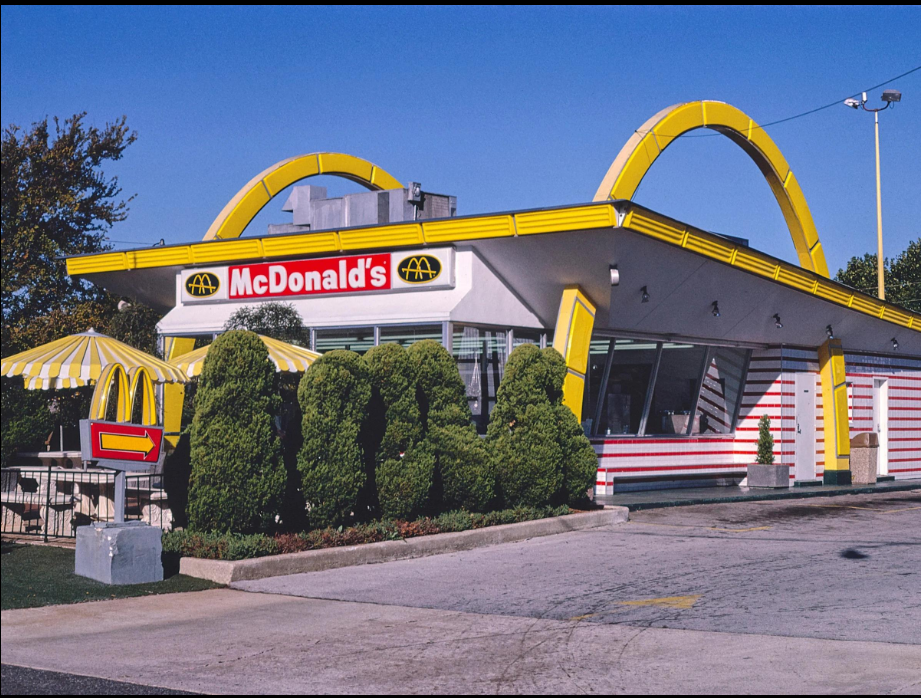
Show someone the Golden Arches, a red-and-yellow colour combination, or even a box of fries from the right angle, and most people know exactly what brand they’re looking at.
That’s impressive.
But here’s the thing: being recognizable isn’t the same as being interesting.
And that’s where I think McDonald’s branding gets a little complicated.
The Golden Arches Do Almost All the Talking
Let’s be honest. McDonald’s doesn’t have to introduce itself anymore.
The Golden Arches have become so powerful that the brand can remove almost everything else and still be recognized.
That’s a huge advantage.
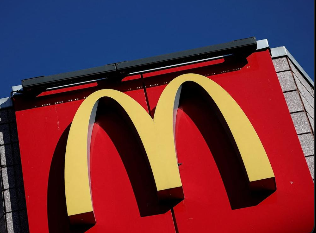
But it can also become a weakness.
When your logo is doing most of the recognition work, there is a temptation to keep repeating the same visual language because you know it works.
And we’ve seen it again and again.
Red. Yellow. Arches. Burgers. Fries.
It works.
But after a while, it can also feel like we’ve seen the same conversation a hundred times.
The Nostalgia Is Great. But How Long Can It Last?
McDonald’s has something most brands spend millions trying to create: memories.
For some people, it’s a Happy Meal from childhood.
For someone else, it’s fries after a late-night movie.
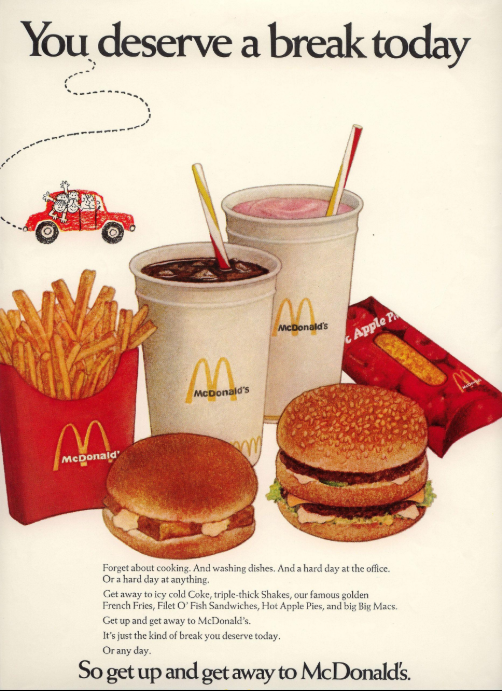
For another person, it’s the first time they went to McDonald’s with friends.
The brand has become part of everyday life for generations.
That’s incredibly valuable.
But there’s a catch.
If you keep talking about the past, people eventually start asking what you have to say about the future.
Nostalgia is powerful when it’s used to make a brand feel familiar.
It becomes less powerful when it becomes the brand’s entire personality.
McDonald’s Sometimes Feels Like It’s Trying to Please Everyone
Another thing I find interesting is how broad McDonald’s wants to be.
It’s for kids.
It’s for families.
It’s for teenagers.
It’s for office workers.
It’s for people grabbing breakfast.
It’s for someone getting food at midnight.
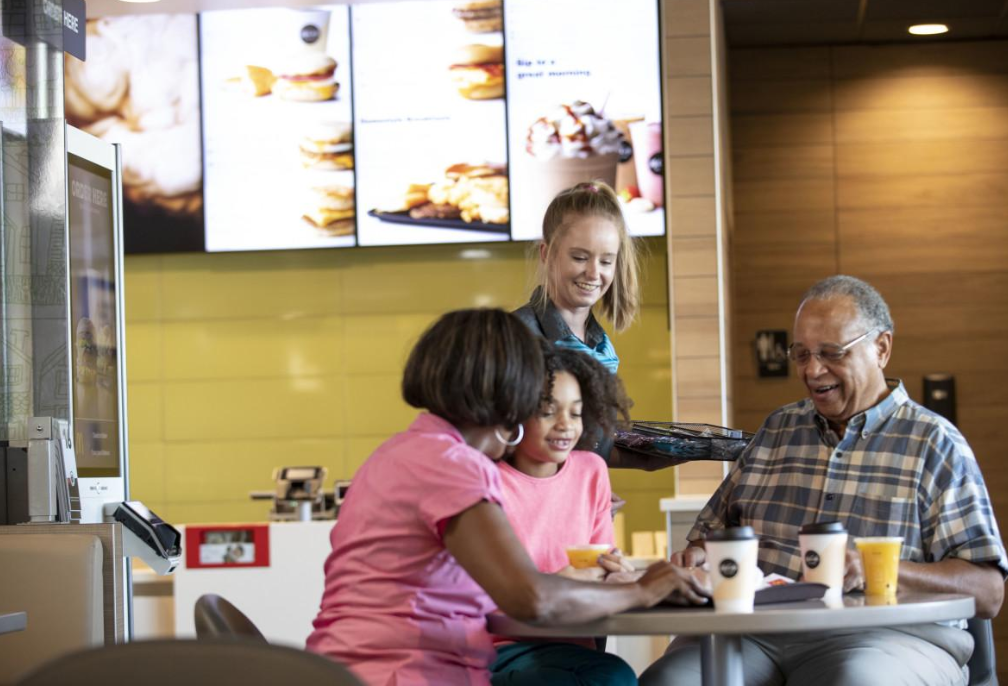
It’s affordable, but it also wants to feel premium at times.
It’s traditional, but it wants to be culturally relevant.
That’s a lot of jobs for one brand.
The advantage is obvious: almost everyone is a potential customer.
The downside is that the brand can sometimes feel less sharply defined.
There are brands where you immediately know what they stand for.
With McDonald’s, the answer can sometimes feel more like:
“We’re here for everyone.”
That’s useful.
But it’s not particularly distinctive.
Being Everywhere Can Make You Feel Less Special
McDonald’s is almost impossible to avoid.
That’s one of its biggest strengths.
But it creates another interesting problem.
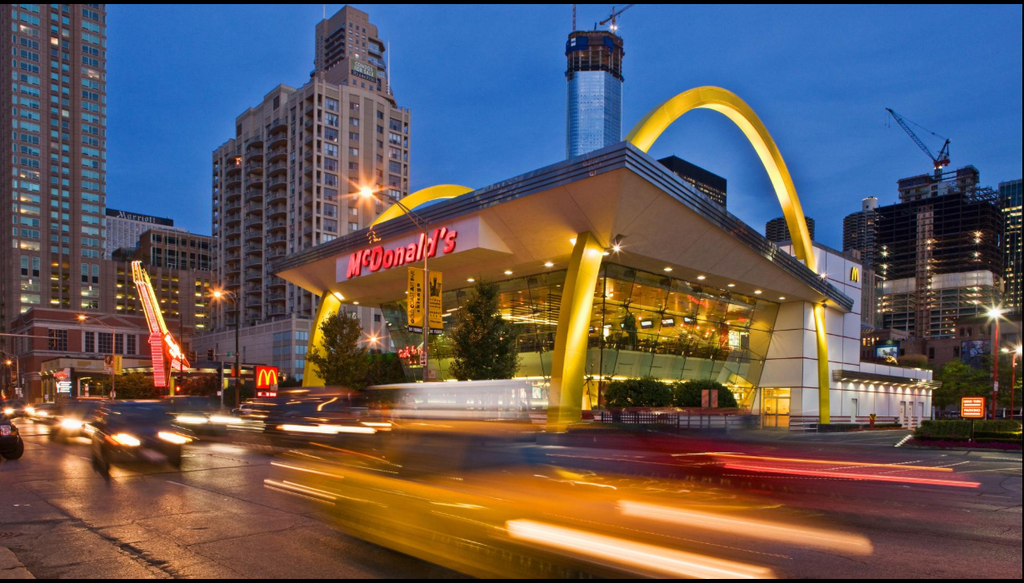
When a brand is everywhere, it can become part of the background.
You don’t necessarily get excited because you saw a McDonald’s.
You just know it’s there.
And for a brand that spends so much money trying to create emotional connections, becoming part of the visual wallpaper isn’t necessarily a good thing.
Sometimes, the brands people remember most aren’t the ones they see everywhere.
They’re the ones that give them something worth talking about.
Then There Is the Trend-Chasing
McDonald’s has done a good job staying culturally relevant.
But there is a fine line between being part of culture and trying to look like you’re part of culture.
Brands today jump onto memes, internet slang, celebrity collaborations and social trends because attention is valuable.
The problem is that audiences are pretty good at spotting when something feels forced.
McDonald’s doesn’t need to act like a teenager to stay relevant.
It’s already culturally significant.
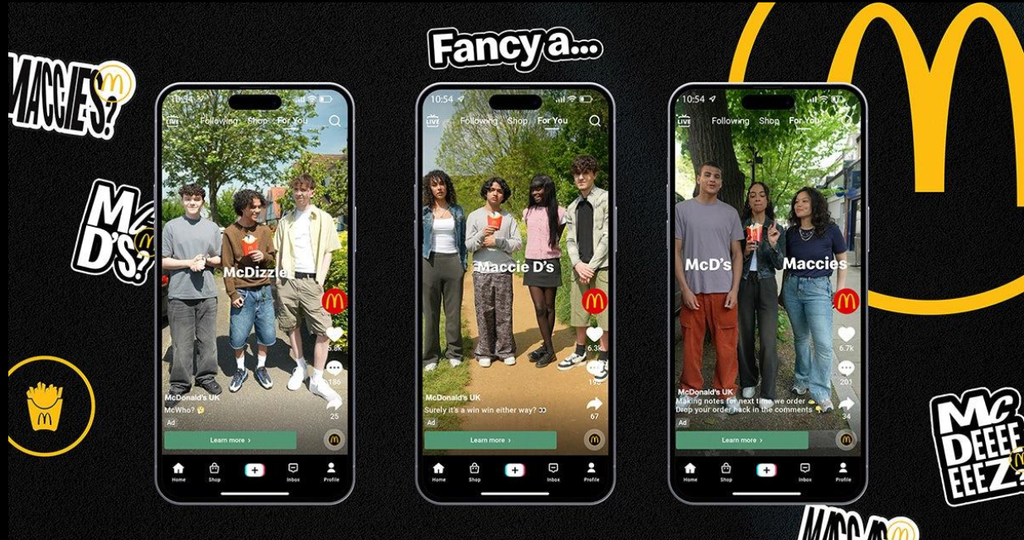
Sometimes the most confident thing a big brand can do is stop trying so hard to prove that it’s cool.
The Burger Can Become the Whole Story
Another weakness is how often the product becomes the main character.
New burger.
New meal.
New McFlurry.
New deal.
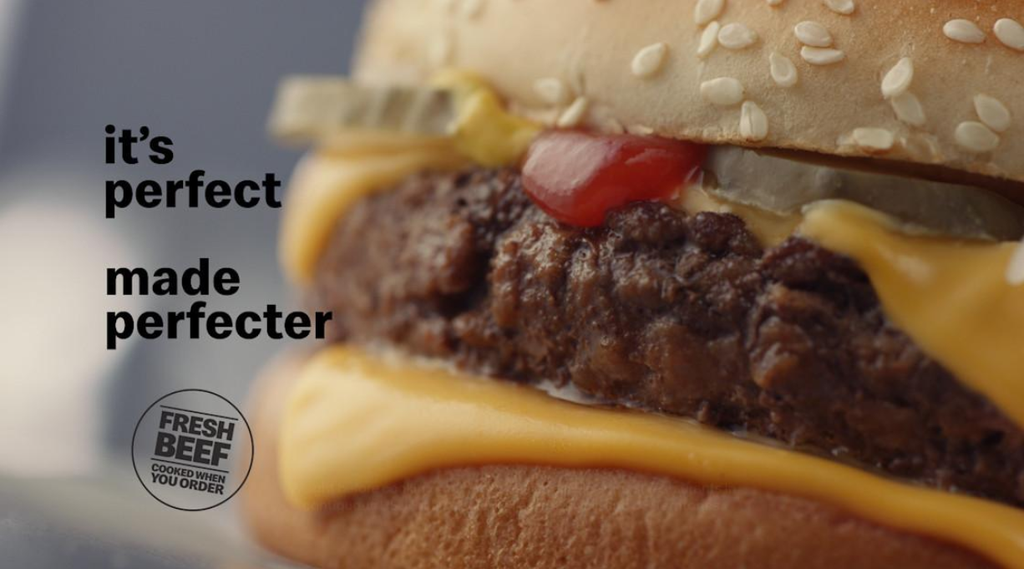
Limited-time offer.
Repeat.
Of course, McDonald’s is a food company. The product has to be part of the conversation.
But the world’s strongest brands usually sell something bigger than the product itself.
Nike doesn’t just sell shoes.
Apple doesn’t just sell phones.
Disney doesn’t just sell movies.
McDonald’s has the potential to own much bigger emotional territory too.
It has decades of stories, rituals and cultural moments sitting behind the brand.
Sometimes I think the brand could do more with those stories instead of always bringing the conversation back to the food.
So, Does McDonald’s Need a Rebrand?
Honestly?
No.
I don’t think McDonald’s needs to throw away the Golden Arches, change its colours and start again.
That would probably be one of the worst things it could do.
The problem isn’t the identity.
The problem is what the identity is being asked to communicate.
McDonald’s has already solved the hardest part of branding:
People know who you are.
Now comes the harder part.
Giving people a reason to care about what you do next.
Because the Golden Arches don’t need to become more recognizable.
They’re already recognizable enough.
They need to keep meaning something.
And that’s probably the biggest branding lesson here
:
A strong brand doesn’t need to constantly change its identity.
But it does need to keep changing the meaning people attach to it.
McDonald’s has spent decades building the Arches.
Now the interesting question is:
What will the Arches mean for the next generation?
Leave a Reply